About Unstaged
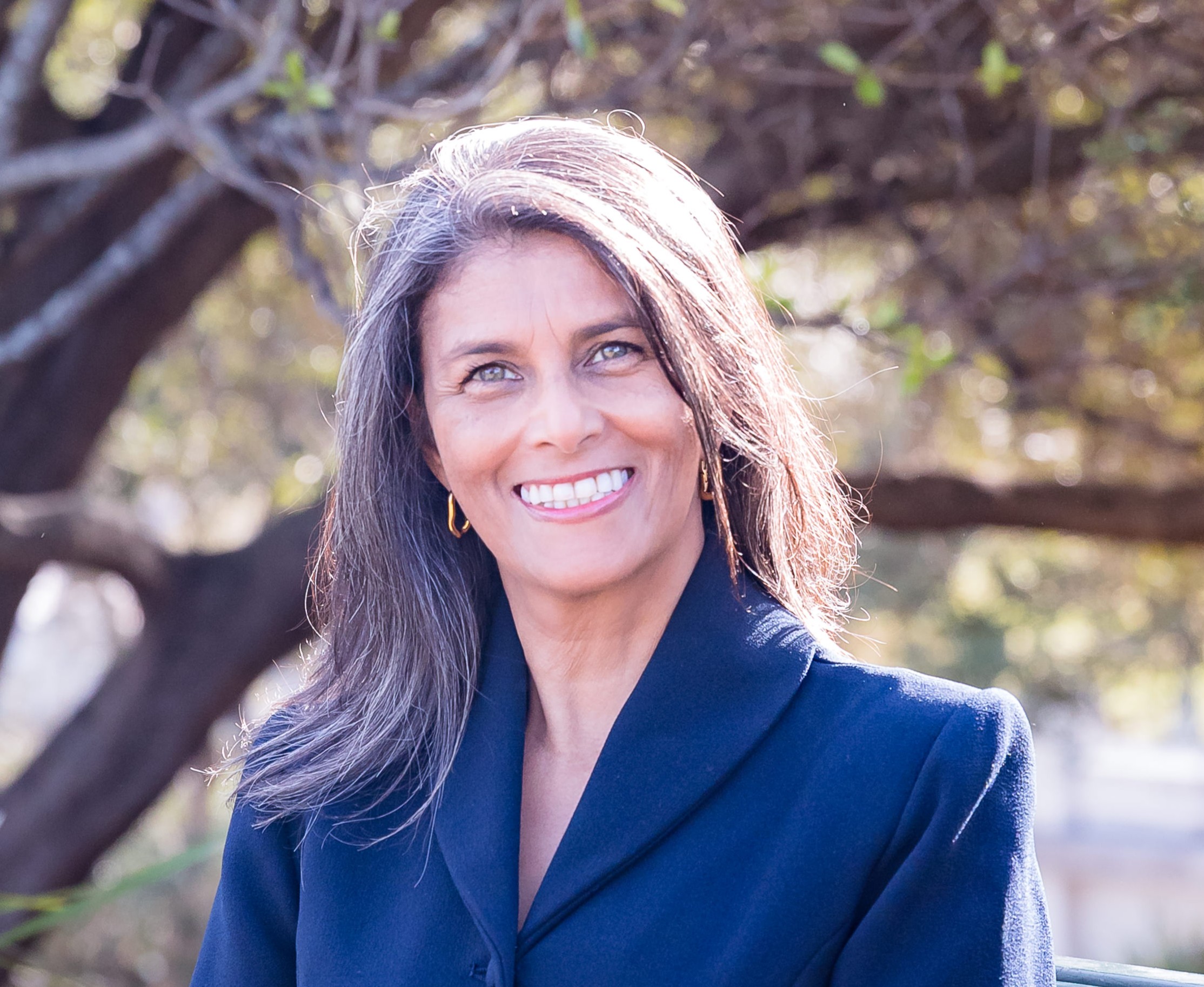
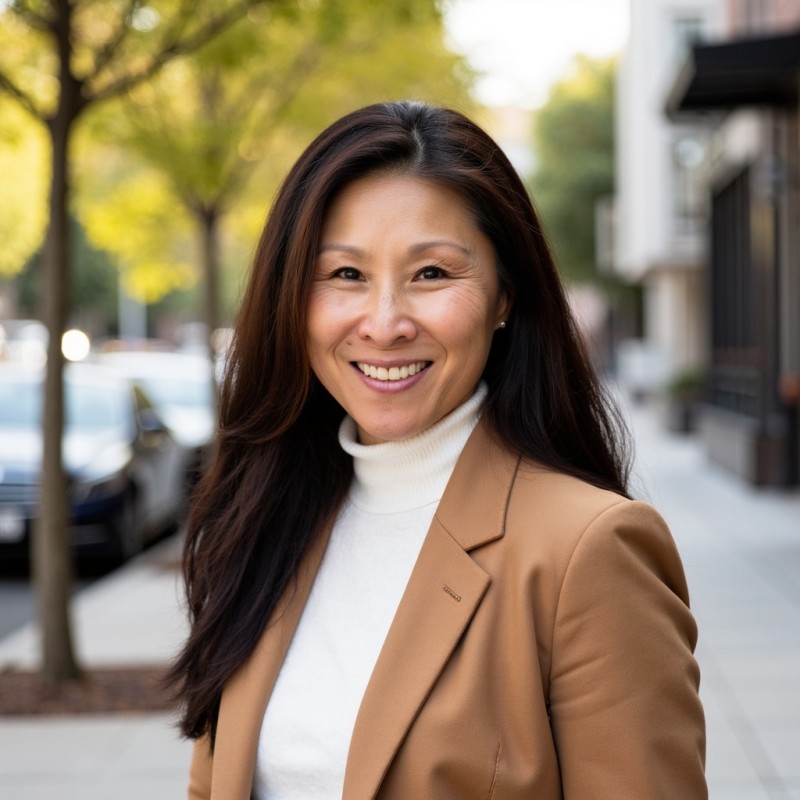
We met at a global learning conference in Sydney. Monica was facilitating; I was in the audience, having arrived late and a little frazzled. When someone asked why, I said the trip over had been "eventful," then told the truth: "It's my ADHD, I'm sometimes doing too many things at once."
Monica found me afterward. She told me she was late-diagnosed too, and within minutes we were swapping stories, the good ones, the bad ones, and the ones that still catch in your throat, about what it was like before we knew, and what it's been like since.
A few days later we had dinner, because neither of us wanted that conversation to end there. We were on the same wavelength immediately, and almost in the same breath, we said the same thing: we wanted to build a community for late-diagnosed women, because neither of us had ever found one that actually understood what we needed.
We'd both built serious careers. And somewhere in that dinner we landed on something neither of us had said out loud before: women hitting their stride professionally, often 50 and older, get handed menopause, age, and an ADHD diagnosis all at once, and beyond one-on-one therapy, there's almost nowhere to take that. Monica splits her time between France and the US. I'm based in Australia. On paper, we're an ocean apart. But we agreed, without much debate, that women like us needed a real network, one that let us use what our ADHD brains are actually good at, without apologising for the rest of it.
Unstaged was born at that table.
We were not looking for a support group. We were not looking for another productivity system, another wellness program, or another place that asked us to become more acceptable.
We were looking for peers. For language. For recognition. For somewhere intelligent enough to hold ambition and exhaustion in the same sentence.
Unstaged was created for the woman who has achieved the things the world told her mattered, then received a diagnosis that did not diminish those achievements. It translated them.
It exists for the moment after the performance starts to end.
Not to fix her.
Not to optimise her.
Not to tell her who to become.
But to give her a place where she no longer has to explain the cost of being exceptional while masked.
That's why Unstaged exists: because we needed it, could not find it, and knew we would not be the only ones.